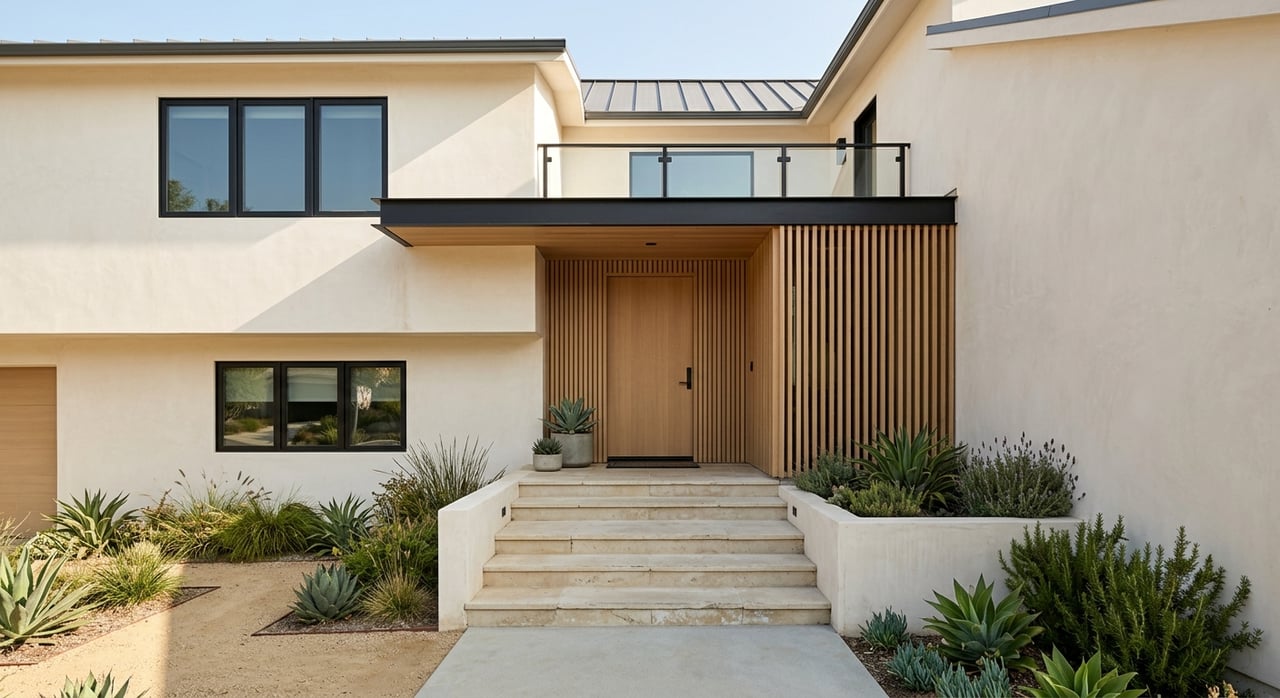
Understanding the Redwood City Real Estate Market by Micro-Market
May 7, 2026
May 7, 2026
Trying to make sense of Redwood City real estate from one median price alone can lead you in the wrong direction. A home near Downtown, a hillside property in Farm Hill, and a condo or townhome in another pocket may all live under the same city name, yet they can attract very different buyers and market behavior. If you want to understand why some homes move fast, why others take longer, and why pricing can vary so widely within the city, it helps to look at Redwood City as a collection of micro-markets. Let’s dive in.
Redwood City covers a wide physical and lifestyle range, from shoreline areas to hillside neighborhoods near the Santa Cruz Mountains. It also sits in a central Peninsula location, about 25 miles south of San Francisco and 27 miles north of San Jose, with the Redwood City Caltrain stop in the heart of Downtown and multiple SamTrans routes serving the area.
That mix of geography and access matters. A home’s value and competition level may be shaped not just by square footage, but also by how close it is to transit, daily amenities, or a particular neighborhood setting. In a city with limited supply, those differences can have an outsized impact.
Citywide data gives useful context, but it does not tell the full story. As of March 31, 2026, Zillow reports Redwood City’s typical home value at about $1.90 million, with 102 homes for sale, 56 new listings, a median sale-to-list ratio of 1.008, 51.7% of sales over list, and a median 18 days to pending. Realtor.com shows a median listing price around $1.70 million and about 22 days on market.
Those figures are not in conflict. They track different parts of the market and different points in the transaction. The bigger takeaway is simple: Redwood City is active, but it is not uniform.
A micro-market is a smaller slice of the city where homes tend to compete more directly with one another. In Redwood City, that often comes down to a few core factors:
This matters because buyers usually compare like with like. A detached home in an established in-town neighborhood may not compete with a newer Downtown-adjacent condo. A hillside property with views and site constraints may follow a different pricing pattern than a flatter lot a few miles away.
The city itself recognizes meaningful neighborhood distinctions. Redwood City’s neighborhood-association map includes 17 associations, including Downtown, Farm Hill, Friendly Acres, Redwood Shores, Woodside Plaza, Roosevelt, Edgewood Park, Canyon, Eagle Hill, Mt. Carmel, Redwood Oaks, Redwood Village, and Stambaugh-Heller. That is a strong clue that local identity and built form matter here.
Downtown is one of the clearest examples of a distinct submarket. The area has seen major investment and ongoing planning focused on a walkable activity center. According to the city’s Downtown Guide, Downtown includes 350,000 square feet of new office, R&D, and medical space, more than 40,000 square feet of new retail space, over 500 new housing units added since 2020, 130 more on the way, 75 or more places to eat, and 5 museums, theatres, and community spaces.
For buyers, that often means Downtown-proximate homes compete on convenience and access as much as on size. Being near Caltrain, restaurants, services, and newer development can shape demand in a way that differs from more residential pockets. For sellers, that means the buyer pool may respond strongly to walkability, transit access, and updated finishes.
It is also worth noting that Downtown planning is still evolving. The city adopted the Downtown Precise Plan in 2011 and is now updating the long-range vision through the Greater Downtown Area Plan process, expected to continue through 2027. That does not mean every nearby property will perform the same way, but it reinforces that this part of Redwood City has its own market drivers.
Homes near Downtown often appeal to buyers who prioritize:
That can create a different pace and pricing logic than what you see in more traditional residential areas. In other words, a citywide median may be less helpful here than a close look at the immediate pocket and property type.
Hillside neighborhoods often play by different rules, and Redwood City’s planning documents help explain why. The city has treated hillside development as a distinct issue, including work on building guidelines for properties with average slopes of 10% or more. The city’s Residential Design Guide also points to factors like massing, scale, proportions, and neighborhood compatibility when new construction or second-story additions are considered.
For homeowners and buyers, this means a hillside property may involve more than views or elevation. Site design, buildable area, foundation considerations, and the practical limits of the lot can all shape value and buyer interest. These homes are not automatically better or worse than flatter in-town homes, but they are often different enough to form their own micro-market behavior.
Farm Hill is one of the clearest examples of a distinct hillside pocket. Zillow’s March 2026 data places Farm Hill’s typical home value at about $2.38 million, with 6 homes for sale. Realtor.com shows a median listing price of about $2.20 million, 5 active listings, and 50 days on market.
That stands out against Redwood City’s broader citywide figures. It shows how a neighborhood with different elevation, housing stock, and site characteristics can diverge meaningfully from the overall market. For both buyers and sellers, that is a reminder to avoid using citywide numbers as a pricing shortcut.
Some of Redwood City’s older neighborhoods have a very different character from Downtown or hillside areas. The city’s housing materials note that missing middle housing, such as duplexes, triplexes, and fourplexes, appears throughout older neighborhoods, especially in denser street-grid areas near transit. That creates a more varied housing mix than many buyers expect.
This matters because an older neighborhood may include detached homes, small multifamily buildings, and other property types that influence buyer demand and pricing. Two homes may be close geographically, but if one sits on a block of mostly detached homes and the other competes against a broader mix of housing types, the market response can differ.
The city also points to a strong single-family base alongside meaningful multifamily stock and infill activity. In practice, that means you should compare homes by neighborhood and product type, not just by ZIP code or city name.
Neighborhood-level estimates help illustrate how wide the range can be across Redwood City. Zillow’s March 2026 neighborhood pages show approximate typical values of:
These are estimate-based benchmarks, not substitutes for a detailed comparative market analysis. Still, they make one thing very clear: Redwood City is made up of several micro-markets, not one single pricing environment.
Redwood Shores deserves its own mention because it has features that make it a separate submarket within Redwood City. The city recognizes Redwood Shores as a neighborhood association, and city materials also reference an active lagoon bank policy and a sea-level-rise protection project aimed at protecting homes, schools, businesses, and infrastructure.
That combination of neighborhood identity, shoreline-related infrastructure, and local planning context makes Redwood Shores different from many inland parts of the city. If you are buying or selling there, broad Redwood City averages may be especially limited in usefulness.
If you are shopping in Redwood City, your best move is to narrow your comparison set quickly. Looking at one citywide median can be helpful for broad orientation, but it will not tell you what is normal for the exact kind of home you want.
Focus on these comparison points instead:
This approach can help you understand why one home draws quick attention while another lingers. Often, the answer is not one dramatic issue. It is the combined effect of product type, location, access, and current inventory in that specific pocket.
If you are selling in Redwood City, micro-market positioning can shape everything from pricing to presentation. Buyers are not evaluating your home against every listing in the city. In most cases, they are comparing it against a much smaller set of homes that feel interchangeable to them.
That is why a tailored strategy matters. A Downtown-adjacent home may benefit from marketing that highlights convenience and proximity. A hillside home may need sharper positioning around setting, layout, and site qualities. An established in-town home may need to be framed in relation to nearby housing mix, condition, and block-by-block appeal.
For sellers, this is also where strong presentation becomes important. When buyers are comparing a small pool of similar homes, details like photography, floorplans, staging, and a clear pricing strategy can help your home stand out and support stronger results.
Redwood City is active, supply-constrained, and highly varied from one neighborhood pocket to the next. Citywide numbers offer a starting point, but they can easily flatten meaningful differences between Downtown, hillside areas, established in-town neighborhoods, and shoreline communities like Redwood Shores.
If you want to understand home values or competition here, the smartest question is not “What is the Redwood City market doing?” It is “What is happening for this type of home, in this specific pocket, right now?” That is the question that usually leads to better decisions.
If you are thinking about buying or selling in Redwood City and want a strategy grounded in neighborhood-level insight, premium presentation, and clear guidance, connect with Caitlin Beanan.
Looking to buy, sell, or just have a question? I'm always available to help and would love to work with you. Contact me today to find out how we can be of assistance to you!