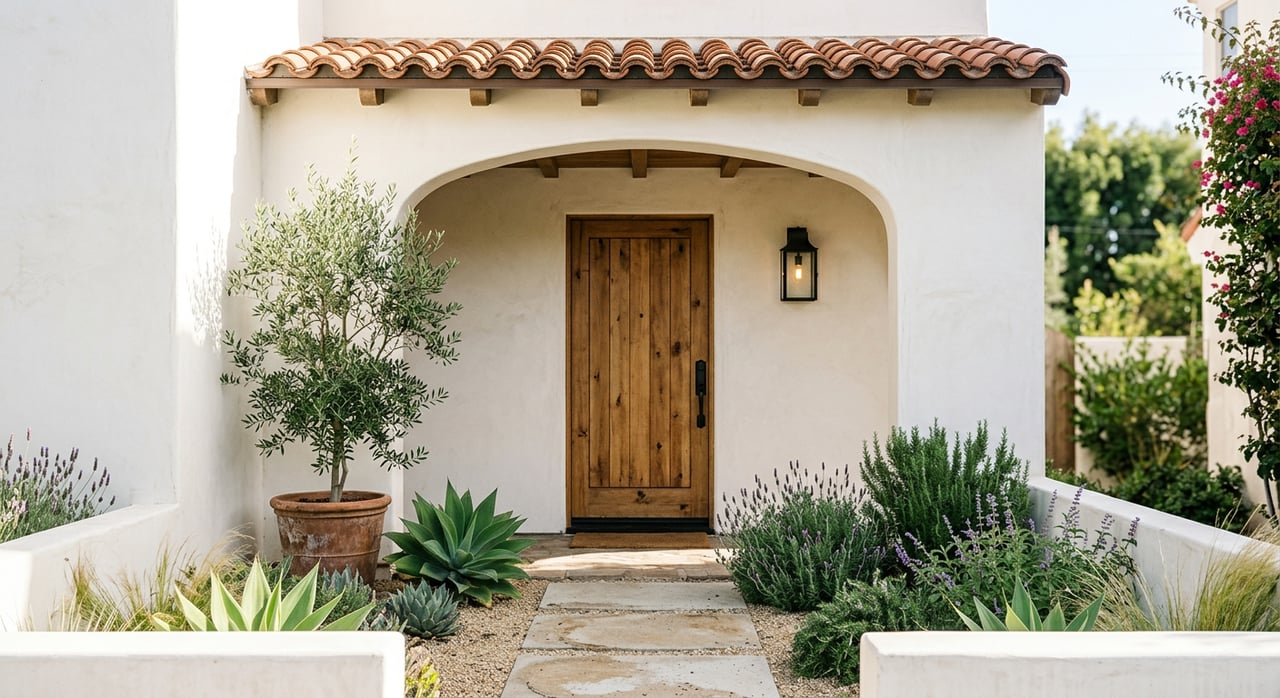
San Bruno vs San Francisco: Find the Right Lifestyle Fit
March 24, 2026
March 24, 2026
Trying to decide between the quieter Peninsula pace and the energy of the city? You are not alone. Many buyers and renters compare San Bruno and San Francisco to find the right blend of commute, space, and amenities. In this guide, you will get a clear, side‑by‑side look at daily life in both places so you can match the lifestyle to your goals. Let’s dive in.
If you split your time between the Peninsula and the city, San Bruno’s location and transit options are a standout. You get both BART and Caltrain, plus quick freeway access to 101, 380, and 280.
San Bruno’s BART station sits next to Tanforan and provides a one‑seat ride into San Francisco’s Market Street corridor. Typical trips from the SFO/Millbrae corridor to downtown SF stations often run about 25 to 35 minutes depending on final stop and transfer needs. Check real‑time schedules at the San Bruno BART station page.
Caltrain gives you a fast, commuter‑rail option into the city. Local northbound trains commonly reach San Francisco’s 4th & King terminal in roughly 18 to 25 minutes depending on the train type and time of day. See current timetables at the Caltrain San Bruno Station.
San Bruno’s proximity to major freeways means direct drives to both downtown SF and Peninsula job hubs. Travel times are heavily time‑of‑day dependent. You will likely find more off‑street parking and private garages in San Bruno’s residential areas. In San Francisco, street parking is more regulated and often metered or permit‑based, which matters if you rely on a car for daily errands.
Pro tip: For any home you are considering, time a test commute during your typical peak windows and compare both car and transit door‑to‑door.
If you love ridge hikes, ocean views, and quick drives to trailheads, San Bruno puts you close to some of the Peninsula’s best open spaces. San Bruno Mountain State and County Park offers short to moderate climbs with sweeping Bay and Pacific views, and it is part of a broader network of San Mateo County parks like Coyote Point and Pulgas Ridge a short drive away. Explore the broader system at the San Mateo County Parks site.
Weekend idea: Morning hike on San Bruno Mountain, grab lunch in downtown San Bruno, then head to the coast for sunset.
Inside the city limits, you have large, iconic parks and shoreline spots. Golden Gate Park, the Presidio, Twin Peaks, Lands End, and Ocean Beach give you miles of trails, curated programming, and sweeping views without leaving the city. Start your research at the San Francisco Recreation and Parks site.
Weekend idea: Brunch in the Richmond, an afternoon walk through the Presidio, then a simple Ocean Beach stroll.
San Bruno focuses on easy, everyday living. You will find neighborhood restaurants, family‑friendly spots, and convenient options around downtown, Bayhill, and The Shops at Tanforan. It is practical for weeknight dinners, errands, and airport‑adjacent meals. Late‑night options are fewer.
If dining variety and nightlife are a priority, San Francisco offers a larger, denser scene. Across the city you will find many cuisines, tasting menus, neighborhood gems, music venues, and galleries. For food lovers who consider dining and culture part of daily life, living in the city can put you near constant options.
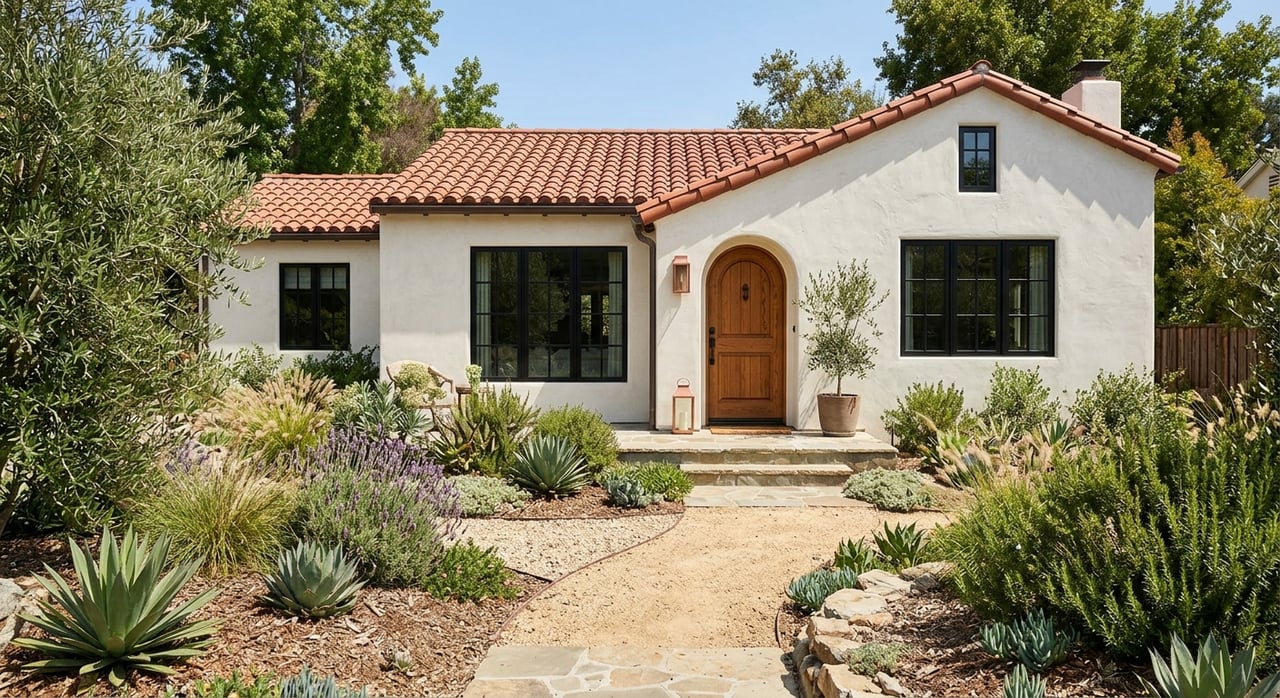
San Bruno’s housing stock leans toward single‑family homes on lots with garages and yards, along with some townhomes and multifamily. Owner‑occupancy is significant, and floorplans often suit buyers who want more bedrooms and private outdoor space. See structural and tenure patterns in the San Bruno ACS profile.
Values depend on neighborhood, condition, and lot size, but ACS shows a median owner‑occupied value around $1.21M. Zillow’s early 2026 aggregate value for San Bruno hovered near $1.25M, which aligns with longer‑term estimates. Check the latest on Zillow’s San Bruno home values.
San Francisco has more multi‑unit buildings, condos, and apartments, with fewer large private yards in most neighborhoods. Units tend to be smaller on average, and price per square foot often runs higher in central areas. Explore the broader city patterns in the San Francisco ACS profile.
For a current pulse on the sale market, Redfin reported a median sale price near $1.50M in February 2026. Track month‑to‑month shifts at Redfin’s SF market update.
Monthly sale medians can bounce, especially in smaller cities like San Bruno where one month may include very few closings. When a number looks unusual, cross‑check with longer‑run indicators like ACS medians and Zillow’s aggregate values. This helps you separate short‑term noise from long‑term trends.
In early 2026, San Bruno’s typical asking rent is around $3.1K per month based on Zillow trackers. San Francisco’s averages often run higher, roughly $3.5K to $3.8K depending on location and property type. In both markets, neighborhood and building amenities can shift the price a lot. If you plan to rent for a year or two, compare commute, parking, and transit access along with floorplan and finishes.
San Bruno’s public elementary schools are served by the San Bruno Park Elementary School District. Local high schools are within the San Mateo Union High School District, with Capuchino High School in San Bruno. Capuchino offers IB and AP programming, which can be helpful for college‑bound students. You can read more about the school programs on the Capuchino High School profile.
San Francisco Unified School District operates a citywide system with neighborhood schools and specialized programs. Enrollment and school choice work differently than in many suburban districts, so plan ahead if a specific program or location is important to you. Use neutral data sources and official district pages when you compare options.
Living near SFO shortens airport trips and makes travel days easier. It also brings aircraft noise that varies by runway use, time of day, and weather. San Bruno and the airport have offered insulation and noise mitigation programs over time. If this matters to you, review the city’s program information and speak with your agent about local experience near flight paths. Start with this San Bruno insulation and noise resource.
Choose San Bruno if you want:
Choose San Francisco if you want:
Map your week. List your three most common trips. Time them during your peak hours using both car and transit. Use the San Bruno BART station page and Caltrain San Bruno Station to test rides.
Prioritize daily comforts. Do you value a yard, a garage, and quick freeway access, or do you value walking to restaurants and events more?
Compare real homes. Look at sample San Bruno single‑family listings near the $1.2M to $1.3M range and San Francisco condos or smaller homes near similar budgets. Cross‑check recent city medians on Redfin’s SF market update and longer‑run medians in the San Bruno ACS profile and San Francisco ACS profile.
Walk the neighborhoods. Tour parks, grocery stores, and coffee spots you would actually use. Visit on a weekday evening and a Saturday morning to feel the rhythms.
When you are ready to compare homes, pricing, and commute fit, work with a local expert who knows both sides of the Peninsula–city decision. If you want a clear, step‑by‑step plan tailored to your week, reach out to Caitlin Beanan for local guidance and a custom home search.
Looking to buy, sell, or just have a question? I'm always available to help and would love to work with you. Contact me today to find out how we can be of assistance to you!