Thinking about selling your Palo Alto mid-century home? You likely love the light, the clean lines, and that easy indoor to outdoor flow, but you also wonder what today’s buyers want and what to update before you list. You are not alone. The right plan can protect your home’s architectural soul while boosting comfort, safety, and resale value. In this guide, you’ll learn what to preserve, smart pre-sale updates, permits and disclosures to know, and a marketing plan that attracts the right buyers. Let’s dive in.
Palo Alto market at a glance
Palo Alto remains a high-value, low-inventory market, which is good news for distinctive mid-century properties. Prices and absorption vary by neighborhood, so pricing should lean on tract-level comps rather than citywide averages. Local reporting shows neighborhood-by-neighborhood shifts in 2024 and 2025, which supports using hyperlocal data when setting your strategy. You can review recent neighborhood trends in this mapping piece from Palo Alto Online.
Architecturally significant homes often attract design-focused buyers, sometimes from outside the immediate area. That audience responds to authenticity and a clear story about the home. Your goal is to showcase character and provide confidence that systems are reliable and the home is comfortable to live in.
Define and showcase your home’s character
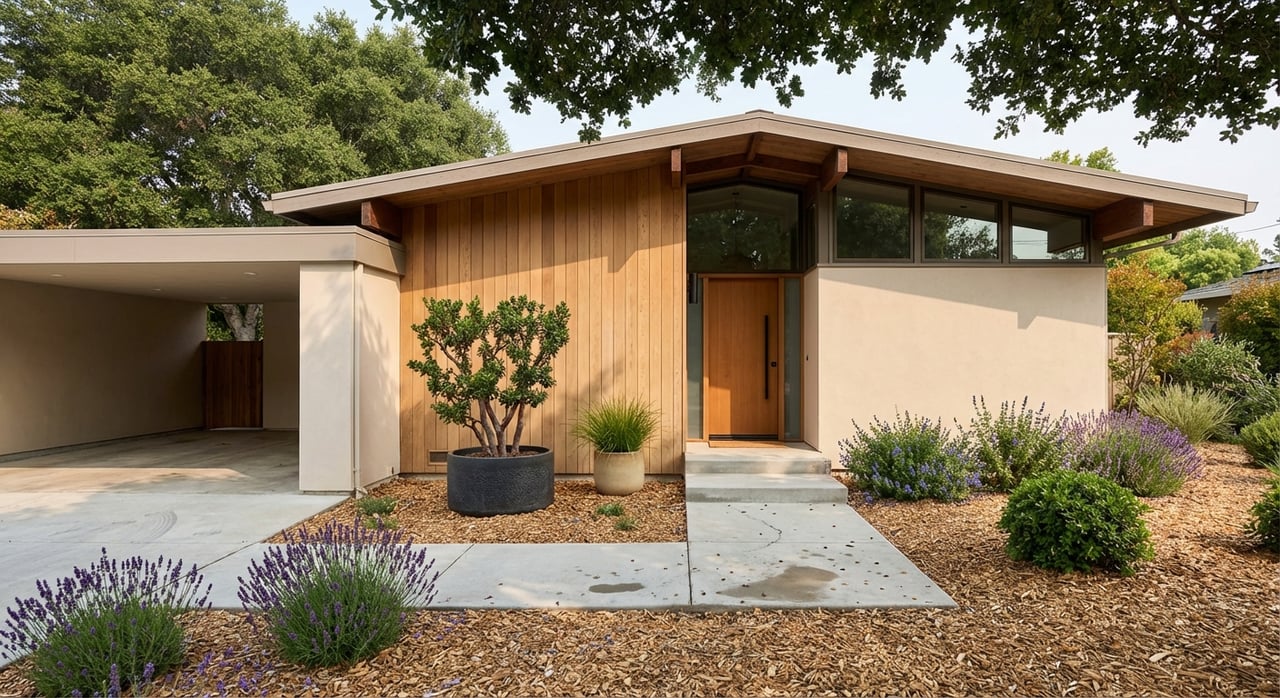
Mid-century homes share a recognizable language: open plans, indoor to outdoor living, and honest materials. The signature look often includes exposed post and beam ceilings, clerestory windows, and floor-to-ceiling glass that frames the yard or atrium. For a helpful primer on why these elements matter, see this overview of modernist hallmarks on Scribd.
Some Palo Alto tracts, such as Green Gables, have documented historic recognition. If your property sits in or near a recognized area, that provenance can be part of your story. Learn more about Green Gables’ historic status.
What to inventory before listing
Create a simple room-by-room inventory of character-defining elements, then photograph each item for your listing packet:
- Entry and atrium: original atrium paving, planters, and sliding glass walls.
- Living and dining: exposed beams, clerestory windows, globe or pendant lighting.
- Kitchen: flat-front cabinetry, original hardware, simple profiles that match the era.
- Bedrooms and hallways: Philippine mahogany or other wood paneling, built-in storage.
- Floors: terrazzo or other original flooring elements in good condition.
Document condition honestly. Intact originals can command attention, and clear documentation helps buyers value what they are seeing.
Smart updates buyers actually value
Buyers love authenticity, but they also expect safe, comfortable systems. The best results usually come from preserving character while upgrading the essentials.
Priorities that pay off
- Roof and water management. Low-slope roofs, old membranes, and atrium drainage issues are common in mid-century builds. Address leaks, flashing, and gutters before listing and keep receipts and warranties in your packet.
- Electrical and safety. Ensure adequate service capacity and correct any hazardous wiring. Install or verify smoke and CO detectors and proper water-heater strapping.
- Climate comfort. Many original homes lack central cooling. Mini-splits are a discreet way to add A/C without disrupting finishes. Comfort can make or break buyer decisions in Silicon Valley summers.
- Radiant slab systems. If your radiant heat works, document it. If it has failed, consider a plan to repair or supplement with a modern system, then disclose clearly.
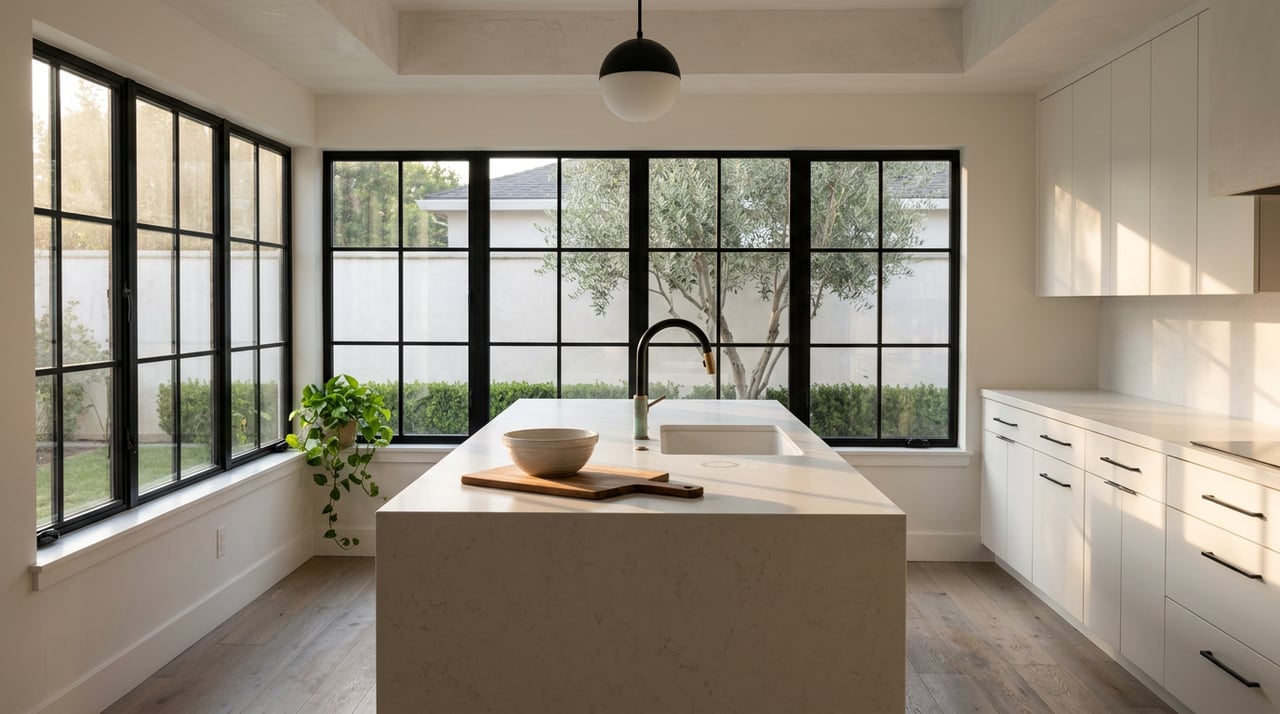
- Glass and insulation. Preserve the look of slim mid-century sightlines while improving comfort. Weather-stripping, discreet secondary glazing, or period-sensitive replacements can help without changing the feel.
- Kitchens and baths. Modest, era-respectful refreshes often outperform luxury gut remodels on resale. Regional data suggests midrange updates tend to recoup more than major luxury projects. See this Bay Area ROI discussion from Schumacher Appraisal.
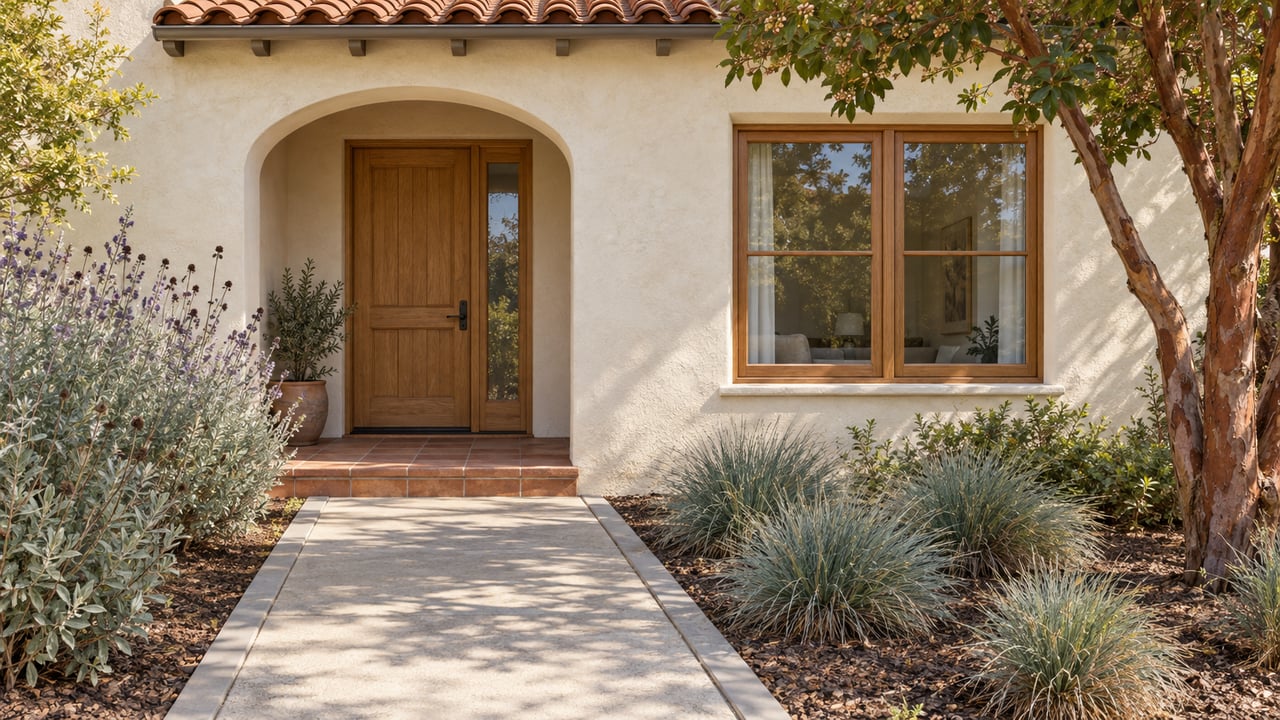
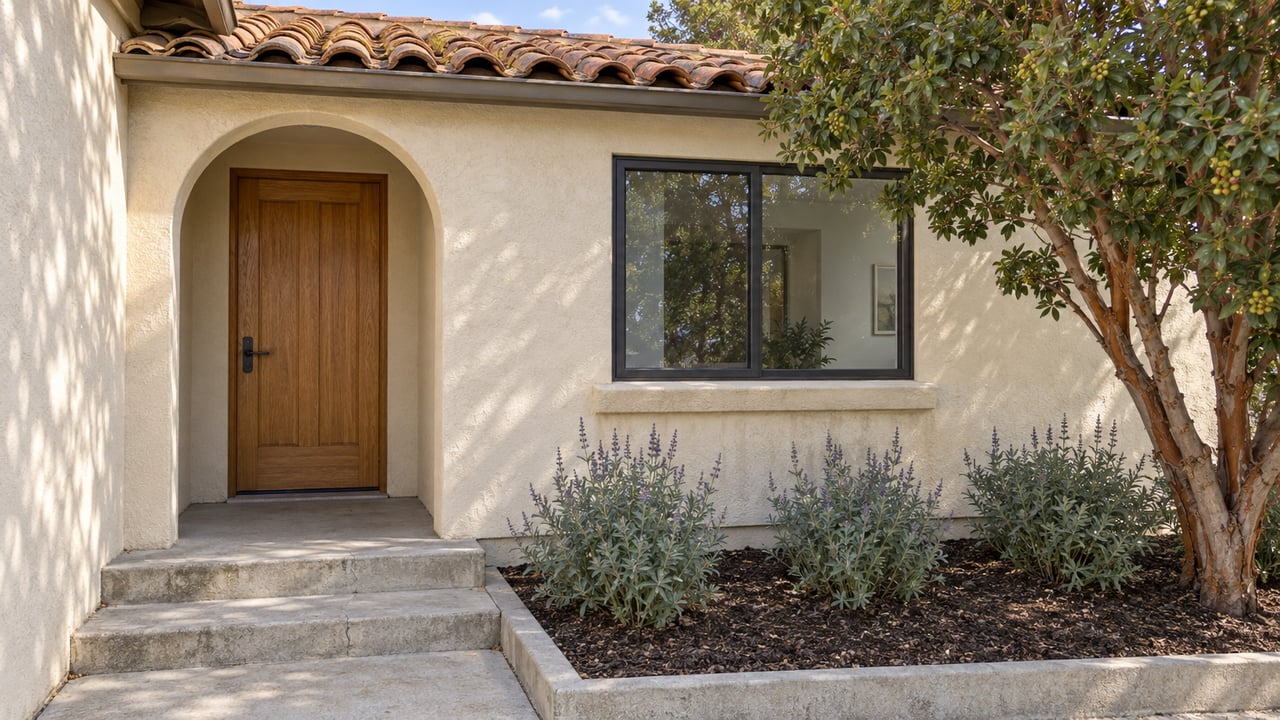
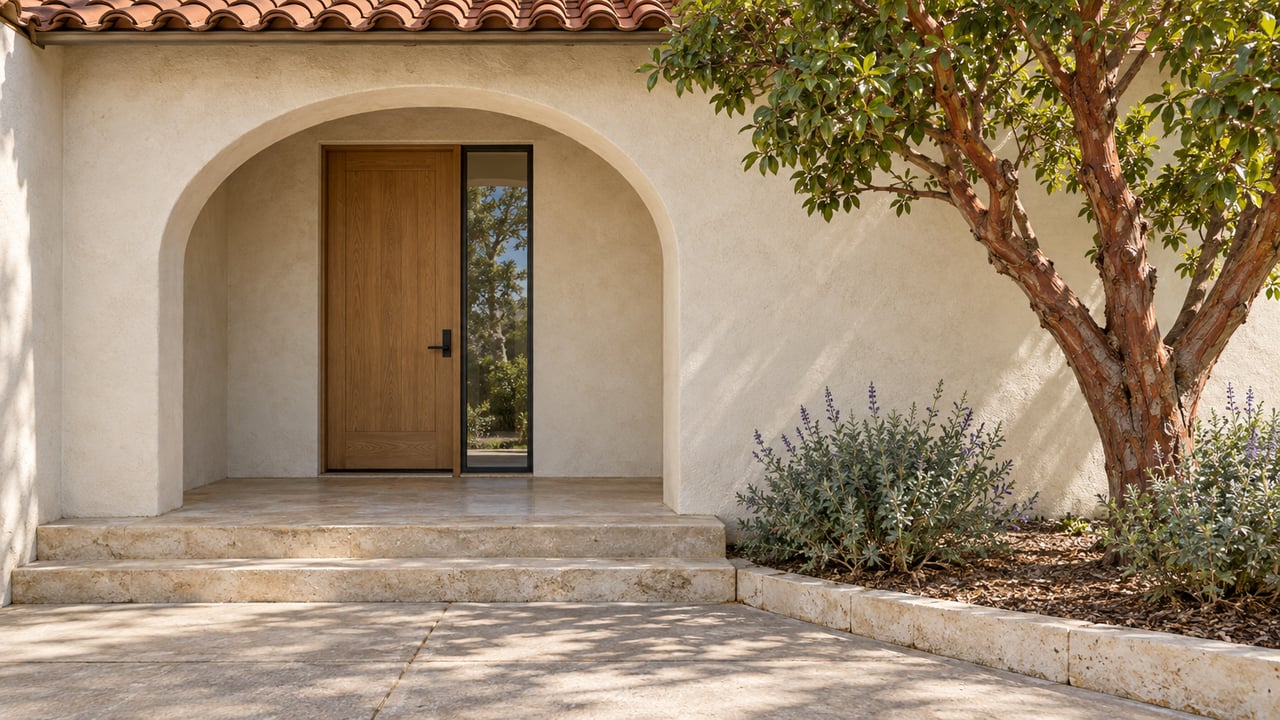
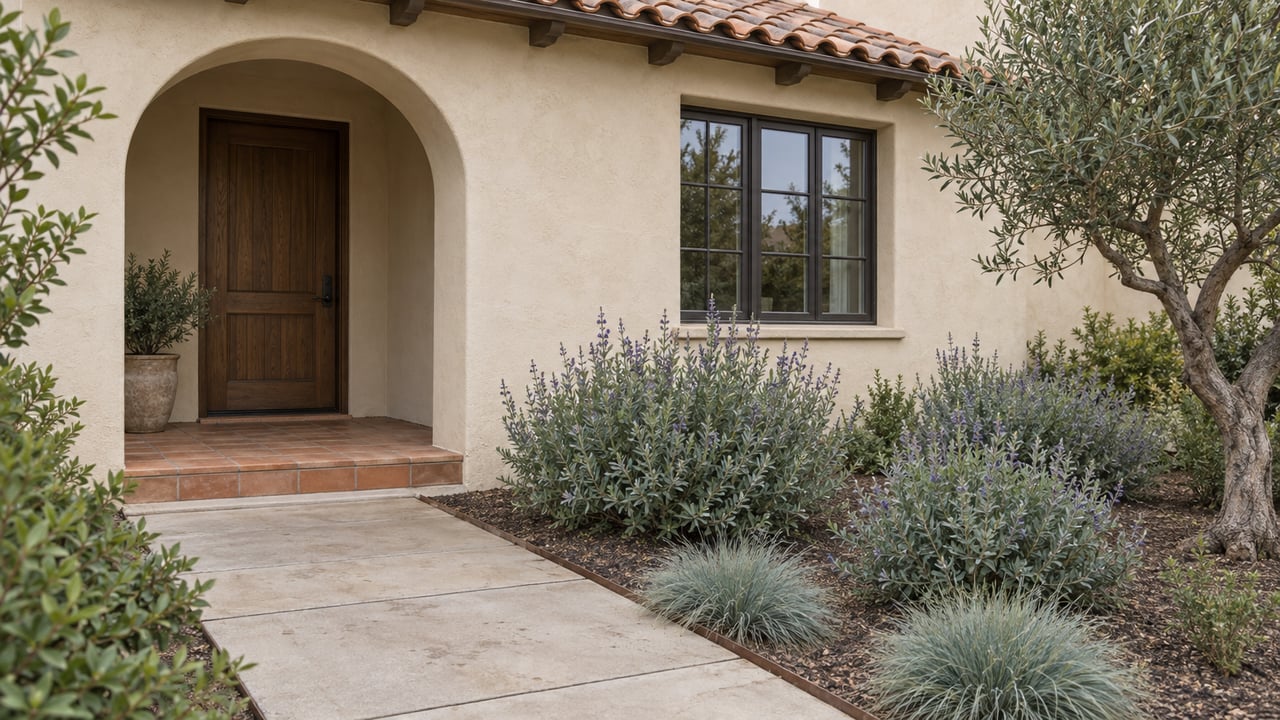
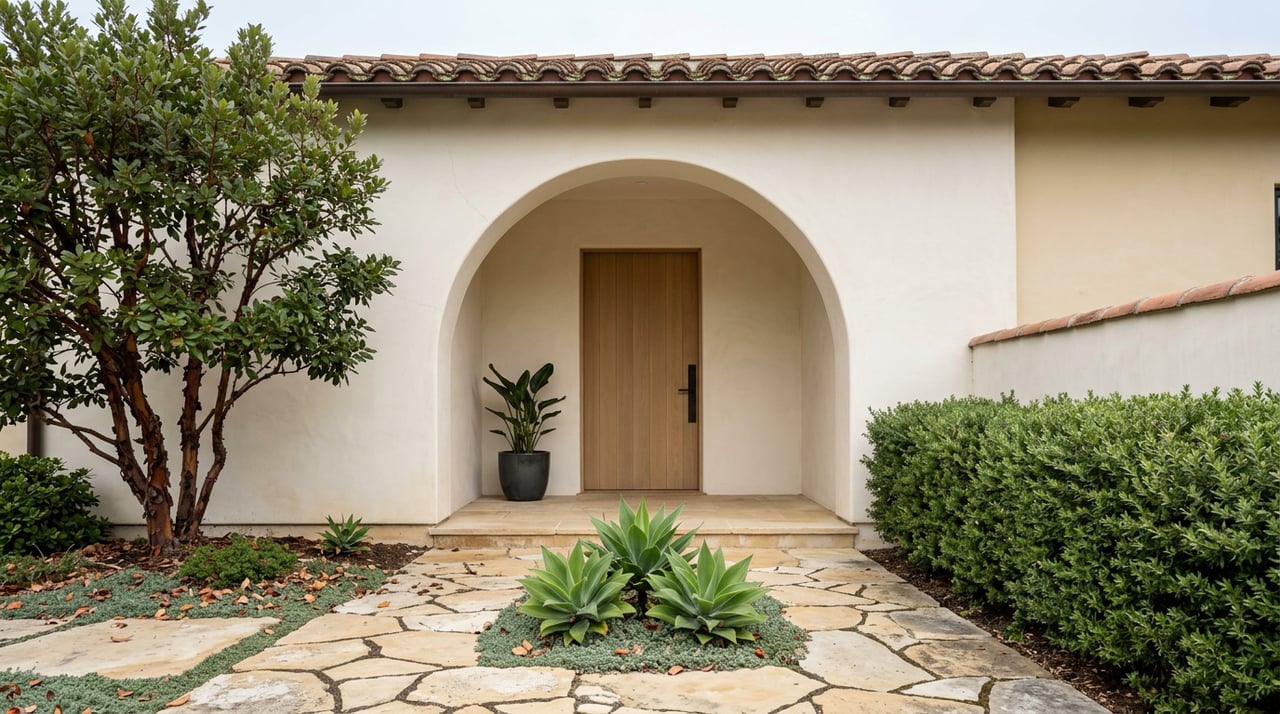
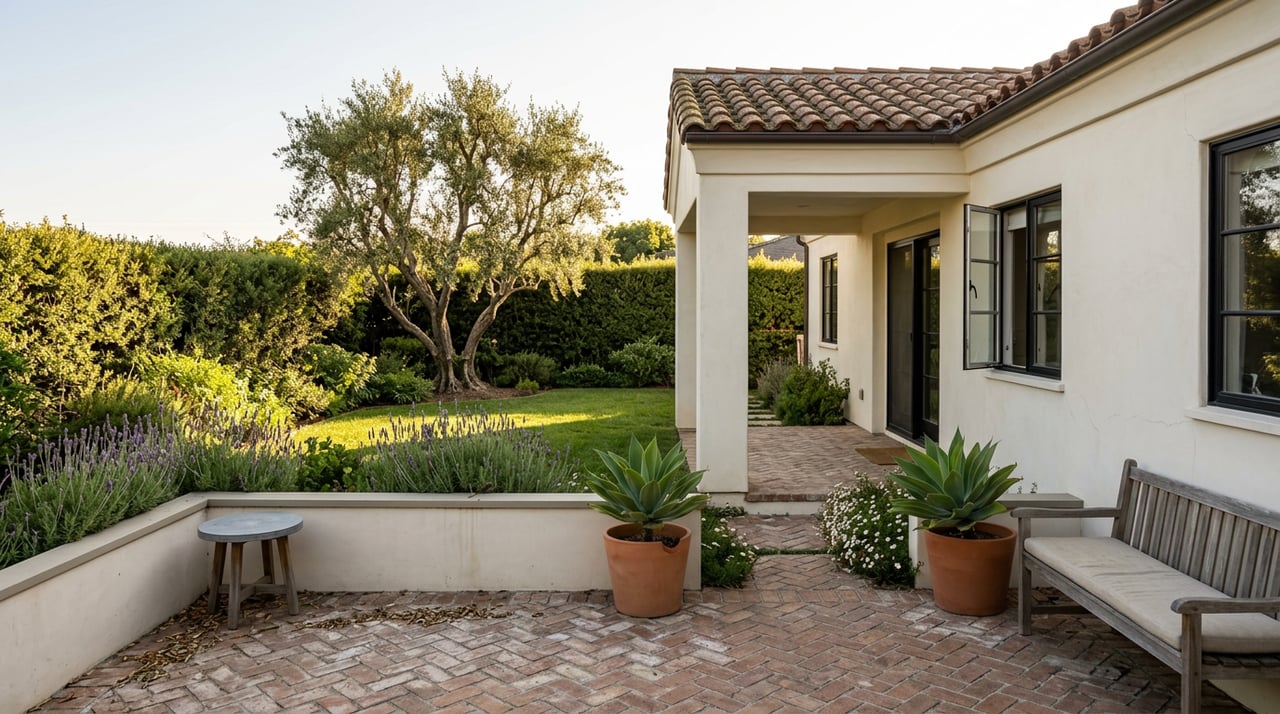
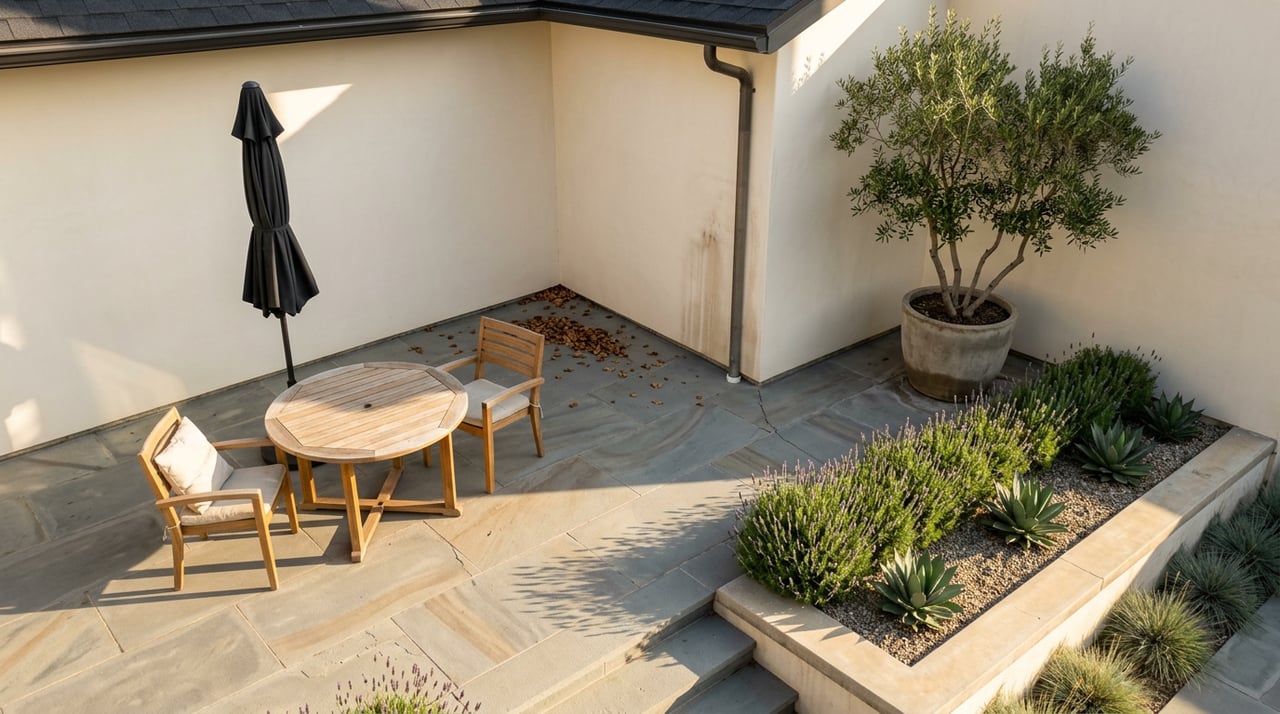
- Landscape “frame.” Clean up plantings to reveal architecture and sightlines between the interior and yard or atrium. Simple, drought-tolerant updates often look best and photograph beautifully. For additional perspective on curb appeal for mid-century homes, review this guide from Aplos Group.
What to avoid
Large, high-style finishes that fight the home’s clean lines can turn off core buyers. Removing character-defining elements, like an atrium or original glass walls, often reduces appeal. If you are unsure about a design decision, default to restraint and scale back to simple, timeless materials.
Permits, disclosures, and local policy to know
Selling in California comes with clear disclosure rules. For mid-century homes, permit history and any unpermitted work will be top of mind for buyers and lenders.
Required disclosures
- Transfer Disclosure Statement. California law requires sellers to disclose known material facts and deliver statutory forms, including the TDS. Omissions can create post-closing liability. Review the statute summary here on Justia.
- Lead paint. For homes built before 1978, federal law requires you to provide the EPA pamphlet and a buyer’s right to test. See the rules and pamphlet on the EPA’s lead disclosure page.
Unpermitted work and ADUs
Any unpermitted work, including ADUs, must be disclosed on the TDS. California’s new ADU amnesty process (AB 2533) can help legalize many unpermitted ADUs built before January 1, 2020, subject to health and safety. Learn about the program details and certification path through this summary of the ADU amnesty process.
Historic review in Palo Alto
The City of Palo Alto maintains a Historic Preservation program and a Historic Resources Board. If a property is locally designated, certain exterior changes can require review. Before listing, verify your property’s status and any review requirements with the city’s Historic Preservation program.
Practical next steps
- Pull permit history and gather any plans, contractor invoices, and warranties.
- If you discover unpermitted work, discuss timing and cost to legalize versus disclosing with your agent.
- Prepare a simple summary of all work completed, with copies of permits where available.
Pricing and presentation for architectural homes
Pricing an Eichler-era or mid-century property is not a one-size-fits-all exercise. Use comps that prioritize other architecturally significant homes in the same or nearby tracts. Some homes with intact originals trade at a premium, while heavily altered properties can align more with land value.
There are usually two overlapping buyer pools. Design-forward buyers pay attention to authenticity and provenance, while mainstream Silicon Valley buyers prioritize comfort and function. Your marketing should speak to both by highlighting preserved elements and showing the home’s ease of living.
Marketing that elevates your mid-century
Mid-century homes reward thoughtful presentation. The right visuals and story help buyers appreciate scale, light, and indoor to outdoor living.
- Professional architectural photography. Include daylight and twilight images to show rooflines, glass walls, and any atrium glow. Drone shots can clarify site, yard privacy, and the flow from inside to outside.
- Story and provenance. Name the tract, year built, and any known architectural details. Include scans of original brochures or plans if you have them.
- Period-aware staging. Choose low-profile, clean-lined furniture that frames space without hiding original finishes.
- Property microsite and 3D tour. A dedicated site and virtual tour make it easy for out-of-area buyers to engage with the home’s layout and light at their own pace.
- Technical packet. Provide inspection reports, permit history, a list of preserved features, system documentation, and any plan to address unpermitted items. This reduces friction and supports stronger offers.
Pre-listing checklist for Palo Alto mid-century sellers
Use this quick roadmap to get market-ready:
- Order a pre-listing inspection set: roof, general home, electrical, plumbing, and termite, plus a radiant system assessment if applicable. Keep written reports.
- Assemble documentation: permits, historic photos, original plans if available, contractor invoices, and warranties.
- Tackle safety items: hazardous wiring, smoke and CO detectors, proper water-heater strapping, and any obvious leaks.
- Invest in targeted updates: roof tune-ups, discreet window improvements, a modest kitchen or bath refresh, and a comfort upgrade like mini-splits. Reference regional ROI data from Schumacher Appraisal when deciding scope.
- Address unpermitted work: consider the ADU amnesty path for eligible ADUs, or prepare clear disclosures.
- Plan marketing assets: pro photos, floor plans, a property microsite, a short video or 3D tour, and a staging plan that matches the era.
Ready to sell your Palo Alto mid-century?
If you want a sale that protects your home’s character and maximizes value, you need a plan tailored to your tract, your features, and today’s buyers. Caitlin pairs hyperlocal Peninsula expertise with premium marketing that showcases design and comfort, including a property microsite, 3D tour, floor plans, and editorial photography. Get a calm, personalized process backed by national reach and strong negotiation.
Have questions or want a custom value plan for your home? Connect with Caitlin Beanan for a no-pressure consultation.
FAQs
Should I fully remodel my mid-century kitchen before selling in Palo Alto?
- Not usually. Midrange, era-sensitive updates often recoup more than luxury gut remodels, and they preserve character that many buyers value. See Bay Area ROI guidance from Schumacher Appraisal.
Do I have to fix unpermitted work, including an ADU, before I list?
- You must disclose unpermitted work on the California Transfer Disclosure Statement, and some unpermitted ADUs may qualify for the state’s amnesty legalization process. Review the TDS requirements on Justia and explore the ADU amnesty path with your local planning department.
Will keeping original features limit buyer interest for my Eichler-era home?
- It depends. Many buyers pay a premium for intact originals, and others value comfort most. The safest path is to preserve character where practical while upgrading systems that improve daily living.