Living in San Bruno: What Daily Life Really Feels Like
June 4, 2026
June 4, 2026
If you want Peninsula convenience without the pace of a dense urban core, San Bruno stands out. It offers a practical mix of neighborhood living, regional transit, everyday shopping, and outdoor space in a compact footprint. If you are thinking about buying or selling here, understanding how the city actually feels day to day can help you decide whether it matches your goals. Let’s dive in.
San Bruno is a compact city in San Mateo County with an estimated 42,035 residents in 2024, all within about 5.49 square miles. That smaller footprint shapes a lot of daily life, from shorter in-town drives to a more connected feel between neighborhoods, shopping areas, and transit hubs.
The city’s General Plan focuses on balanced development, protecting residential neighborhoods, and revitalizing downtown and older commercial areas. In real life, that means San Bruno is evolving, but it is still very much a neighborhood-scaled city rather than a high-rise environment.
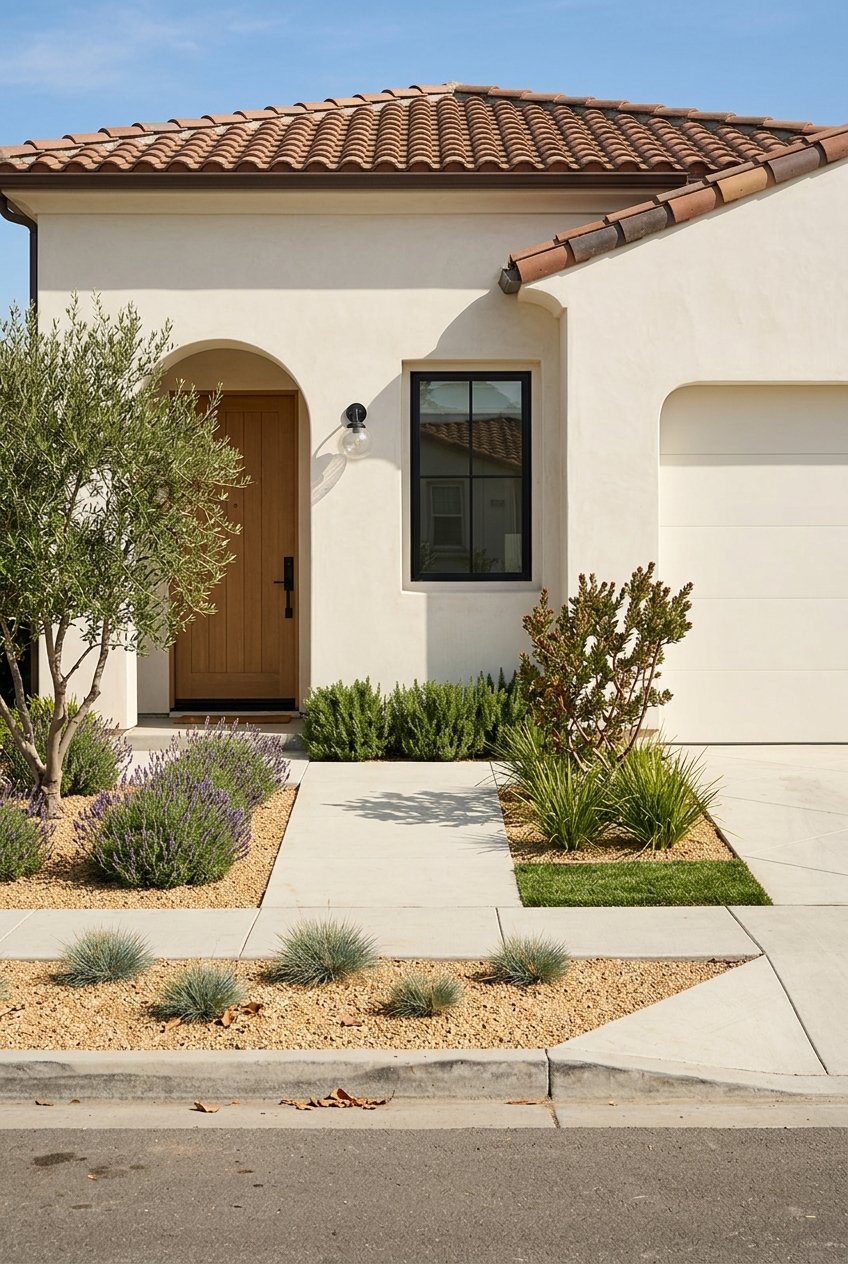
San Bruno tends to feel more suburban than urban, even though it has strong transit access and several busy commercial corridors. Once you leave the main shopping and station areas, the city shifts into lower-rise residential streets and hillside neighborhoods.
That balance is a big part of San Bruno’s appeal. You can have access to BART, Caltrain, shops, and restaurants, while still living in an area where the housing pattern is mostly low-rise and the city places clear value on neighborhood character.
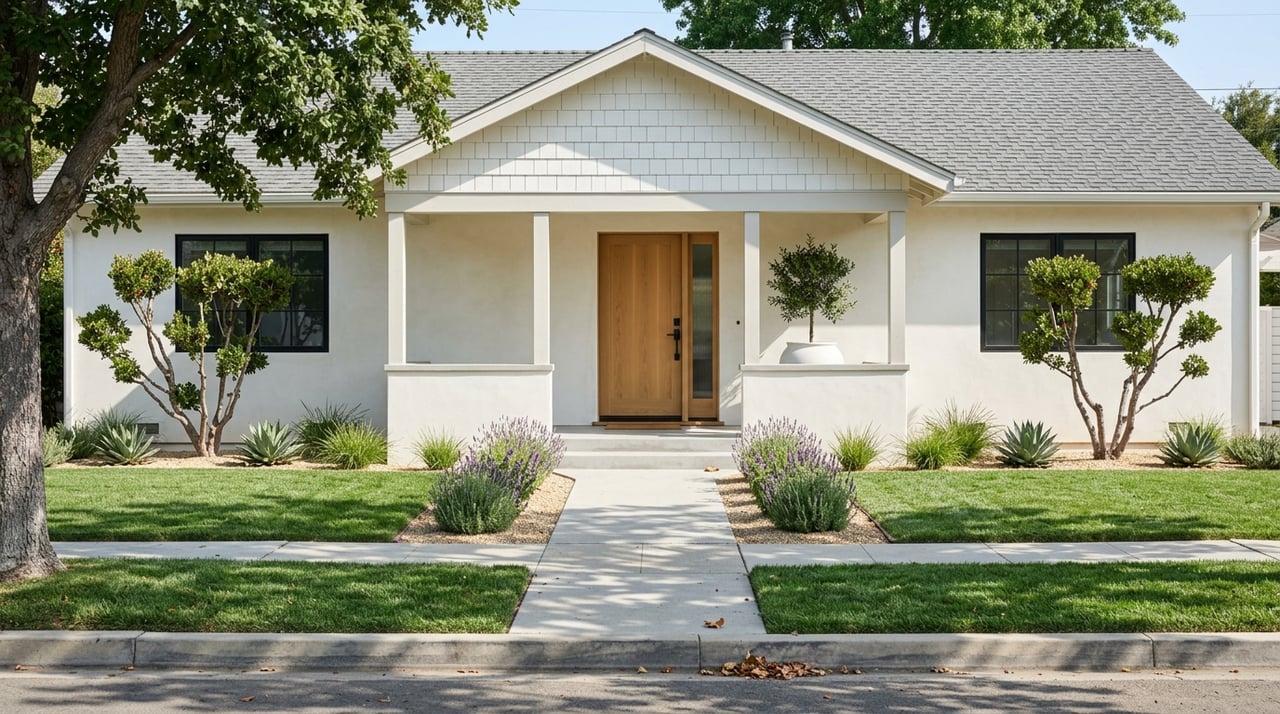
If you are curious what kinds of homes are most common, detached single-family homes make up the largest share of the housing stock. City housing data shows 56% of homes are single-family detached, while 35% are in buildings with five or more units, 6% are in two- to four-unit buildings, and 4% are attached homes such as townhouses and condos.
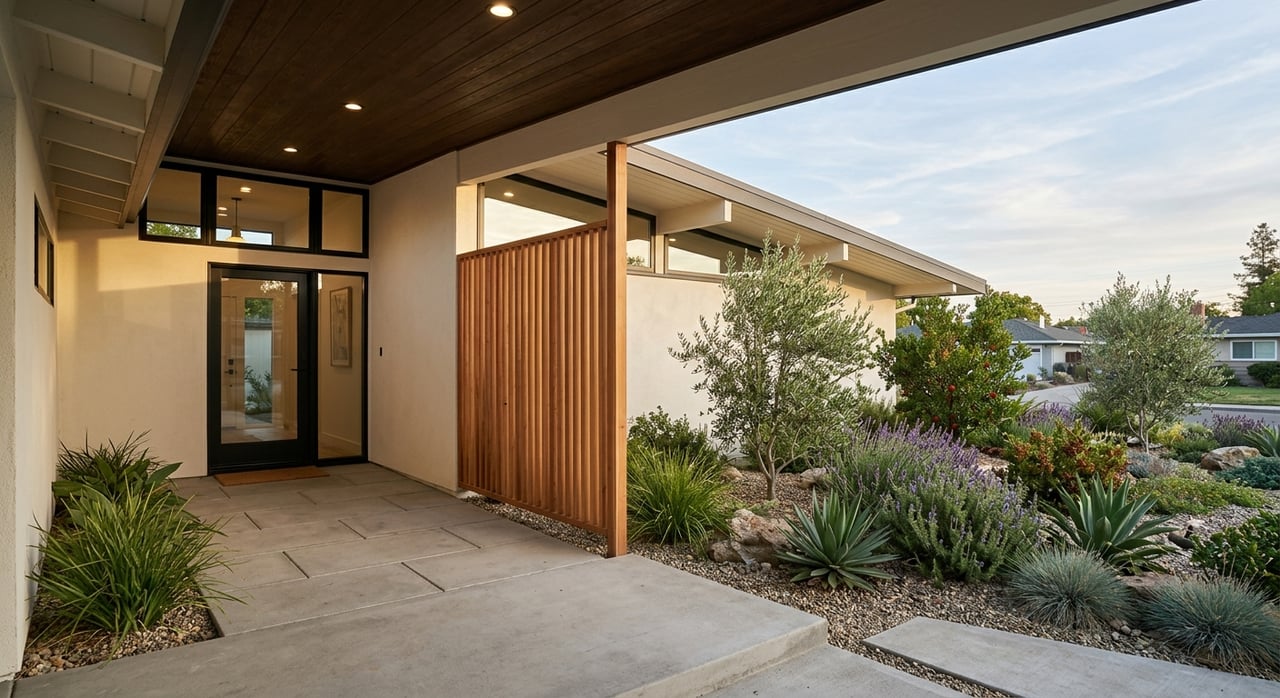
A large share of the housing stock was built between 1940 and 1959. That often translates into established neighborhoods, older architectural styles, and homes that may range from well-preserved originals to updated properties with modern finishes.
San Bruno’s planning rules also reflect that neighborhood-first structure. The city has design guidelines and planning pathways for single-family homes, duplexes, multi-family projects, ADUs, JADUs, and SB-9 lot splits, which shows that growth is being managed within a defined local framework.
San Bruno is expensive compared with broad national benchmarks, which is typical for many Peninsula markets. The 2020-2024 American Community Survey reports a median owner-occupied home value of $1,207,500 and a median gross rent of $2,773.
The same data shows a 62.1% owner-occupancy rate. That owner presence can be one reason the city feels established and residential in many areas, especially outside the main transit and shopping corridors.
One of the most common questions buyers ask is whether San Bruno is walkable. The short answer is yes, but mainly in pockets rather than across the entire city.
The most walkable areas are around downtown, the San Bruno Avenue corridor, the Caltrain station area, and destinations near BART, Bayhill, and the Shops at Tanforan. In those parts of the city, errands, dining, shopping, and transit access tend to cluster together more naturally.
Outside those zones, San Bruno feels more suburban. Residential hills, side streets, and lower-density blocks can mean you are more likely to drive for some errands, even if you still have strong access to major destinations nearby.
For a city of its size, San Bruno is unusually well connected. That is one of the biggest advantages of living here, especially if your routine takes you across the Peninsula, into San Francisco, or toward the airport.
BART serves San Bruno Station on the Antioch to SFIA or Millbrae line and the Richmond to Millbrae or SFIA line. Published BART service hours run from 5:00 a.m. to midnight on weekdays, 6:00 a.m. to midnight on Saturdays, and 8:00 a.m. to midnight on Sundays.
Caltrain also serves San Bruno in Zone 1, which adds another rail option for regional travel. On top of that, SamTrans provides countywide bus service, including airport-oriented routes 142, 292, 397, and EPX that stop at the SFO Rental Car Center.
That transit mix gives San Bruno a commuter-friendly identity without making it feel overly dense. The Census Bureau reports a mean travel time to work of 23.7 minutes for residents, which supports the idea that San Bruno works well as a connected Peninsula base.
Daily convenience is a real part of life in San Bruno, but it is shaped by where you live within the city. A lot of errands naturally center around the BART station area, the Tanforan shopping area, downtown, and the El Camino Real corridor.
City planning efforts around transit corridors call for more housing, jobs, shops, restaurants, and pedestrian-oriented streets near downtown and the station area. That points to a future where some parts of San Bruno may feel even more connected and destination-rich than they do today.
At the same time, the city’s Downtown Parking Management Plan shows that access and parking are part of the everyday conversation. That is useful context if you want a realistic picture of how people move through these busier areas.
San Bruno has a strong parks-and-recreation backbone for a city its size. The city says it has 19 parks, including San Bruno City Park, Commodore Park, Grundy Park, 7th Avenue Park, Bayshore Circle Park, Belle Air Park/Lion’s Field, Forest Lane Park, and Posy Park.
That network gives residents a range of options for outdoor time close to home. Instead of relying on one major regional destination for every outing, you have a spread of neighborhood parks that support casual daily use.
The city also offers the Recreation and Aquatic Center, which is open to the public. According to the city, it includes indoor and outdoor pools, a fitness room, group exercise classes, and a gymnasium.
For many buyers, that combination of neighborhood parks and indoor recreation adds to San Bruno’s day-to-day livability. It supports routines that include walks, play time, fitness, and organized activities without needing to leave town for every option.
San Bruno is also working to improve how people move around without a car. The city’s Walk 'n Bike Plan aims to improve crossings, fill sidewalk gaps, and better connect BART and Caltrain to downtown, Bayhill Shopping Center and Office Park, and the Shops at Tanforan.
The same plan envisions a 23-mile bike network. For residents, that signals continued investment in safer and more useful local connections, especially in the areas where daily trips already tend to cluster.
San Bruno can appeal to a wide range of buyers because it offers a little more balance than some nearby cities. If you want strong transit access, shopping convenience, and established residential areas in one place, it can be a compelling option.
It may be especially appealing if you value:
The city may be less ideal if you want a highly walkable urban environment across every block. San Bruno is more accurately described as walkable in key districts and more suburban in many residential areas.
San Bruno is the kind of market where block-by-block context matters. Two homes may share the same city name but offer very different daily routines depending on how close they are to transit, shopping corridors, parks, or quieter residential streets.
That is why local guidance can make such a difference, whether you are buying your first home, moving up, or preparing to sell. Understanding how location, housing type, and neighborhood feel come together can help you make a more confident decision.
If you are considering a move in San Bruno or anywhere on the Peninsula, Caitlin Beanan can help you understand the market, evaluate your options, and build a strategy that fits your goals.
Looking to buy, sell, or just have a question? I'm always available to help and would love to work with you. Contact me today to find out how we can be of assistance to you!