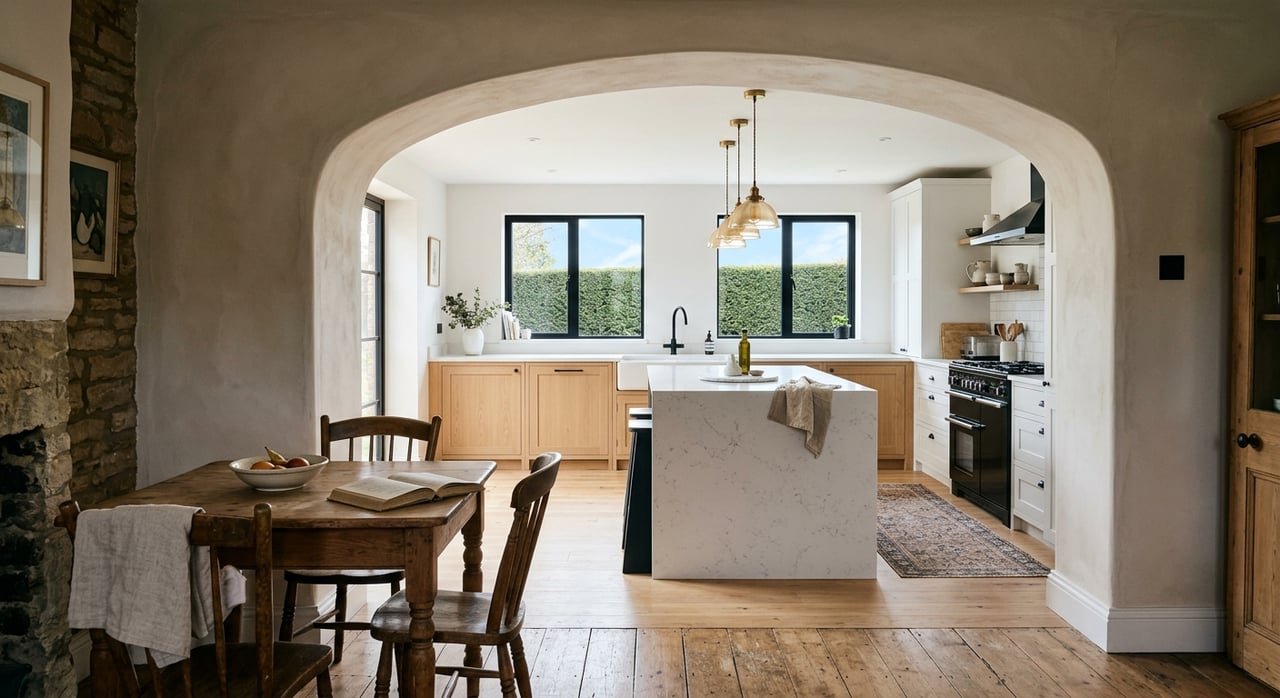
Comparing New vs Older Homes in Menlo Park
July 9, 2026
July 9, 2026
If you’re deciding between new construction and an older home in Menlo Park, you’re not just choosing a style. You’re choosing how you want to spend your time, money, and energy after closing. In a market where homes move fast and competition is strong, that choice can shape your budget and your day-to-day life more than you might expect. This guide will help you compare both options in Menlo Park so you can move forward with more clarity. Let’s dive in.
Menlo Park is not a market filled with brand-new inventory. According to the city’s 2023-2031 Housing Element, 45.6% of homes were built between 1940 and 1959, and 29.1% were built between 1960 and 1979. Only 3.9% of housing units were built in 2010 or later.
That means older homes are the norm here, not the exception. If you want a newer home, you may need to act quickly when one becomes available or look at homes created through redevelopment rather than large new subdivisions.
The pace of the market also matters. Recent Redfin data for the three months ending May 2026 shows a median sale price of $3.29 million, about 13 days on market, an average of 4 offers, and a 104.1% sale-to-list ratio. In other words, both newer and older homes can attract serious attention.
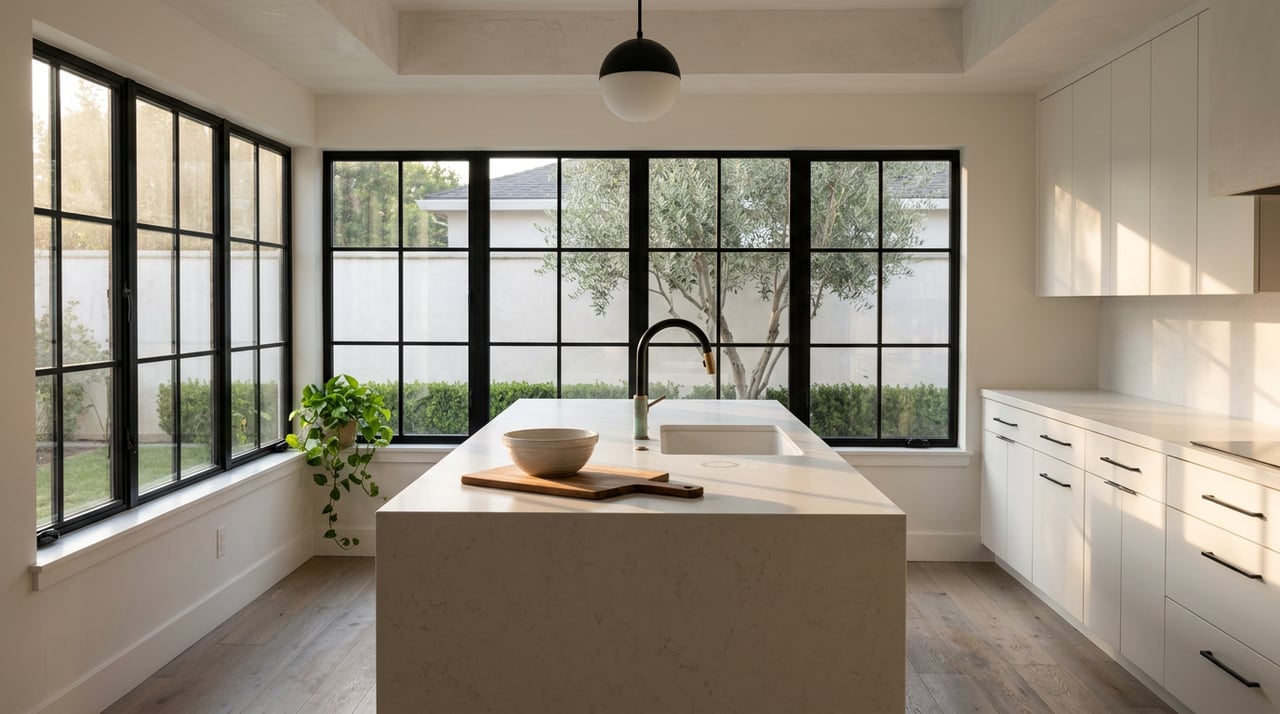
New construction often appeals to buyers who want simplicity. The major systems are typically newer, the home is built under current code, and the path to move-in is often more straightforward.
In California, the 2025 Energy Code took effect on January 1, 2026. The California Energy Commission says it increases energy efficiency standards for new single-family homes and major renovations, encourages heat pumps, and requires solar PV for newly constructed single-family homes subject to exceptions. For you, that can mean lower near-term upgrade needs and more current energy features from day one.
The biggest challenge with new construction in Menlo Park is supply. Because so little of the city’s housing stock is recent, brand-new homes are relatively limited.
When newer housing does appear, it is often tied to redevelopment. One example is the February 2026 application to redevelop the former USGS campus at 345 Middlefield Road into 670 homes. That gives buyers some future opportunity, but it also shows that new inventory here tends to come in select projects rather than broad neighborhood buildouts.
A new home can feel turnkey, but it still deserves careful review. Menlo Park routes most projects through a building pre-application process, and the city says a valid contractor is required before permit issuance.
For buyers, permit history and final sign-offs matter. If you are comparing a fully new home with a rebuilt or heavily renovated home, it helps to confirm what was approved, what was completed, and whether the property reflects current standards.
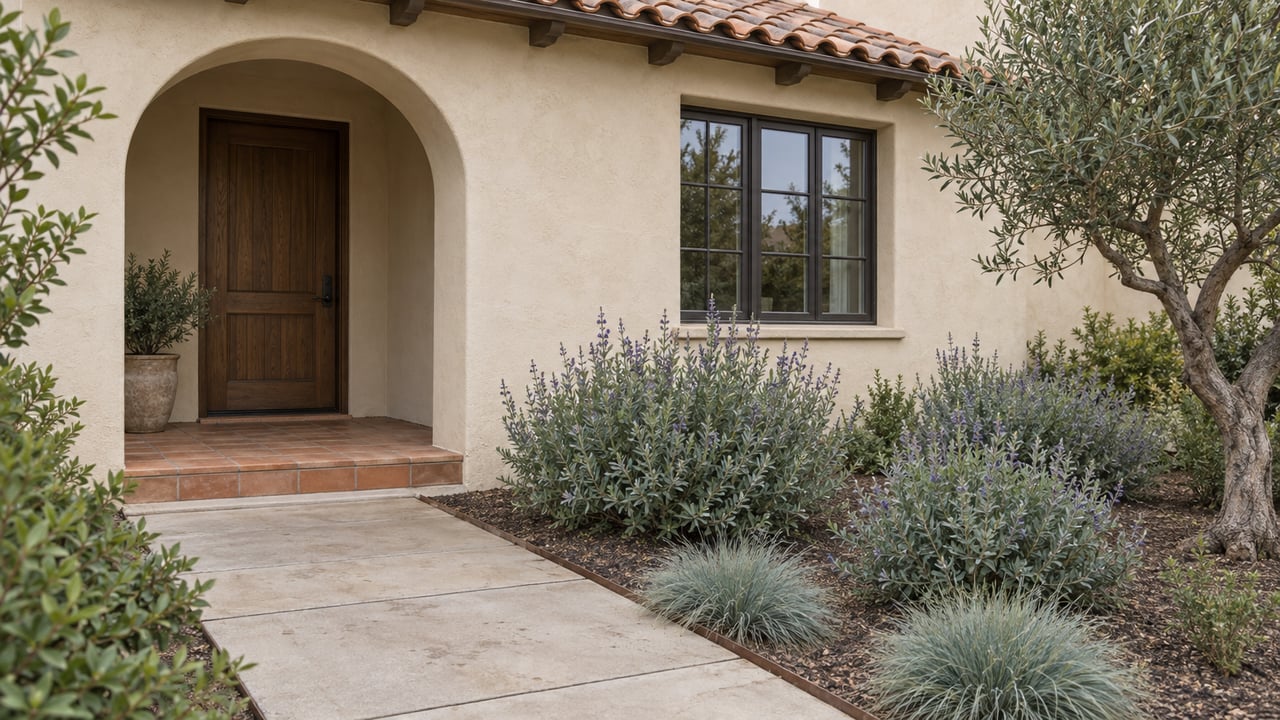
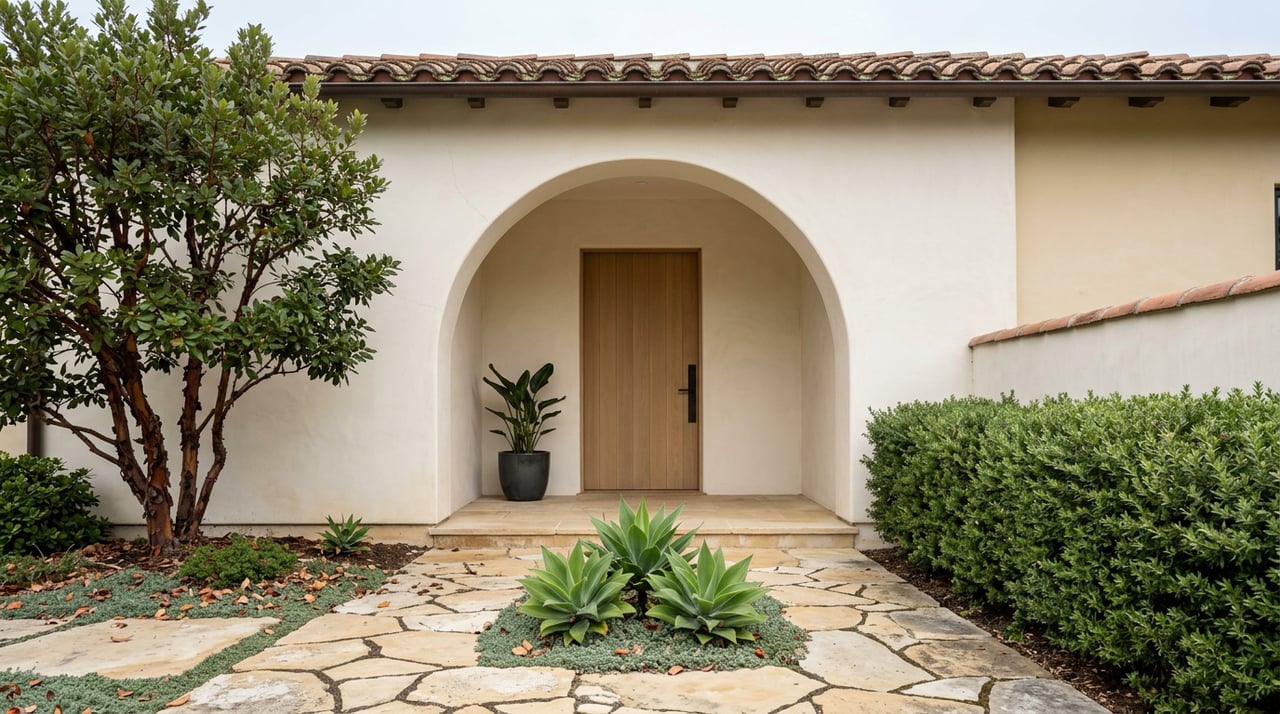
Older homes are a major part of what gives Menlo Park its identity. City materials describe local architecture that includes ranch, Spanish, Craftsman, bungalow, Colonial Revival, Prairie, mid-century modern, and other mid-century designs.
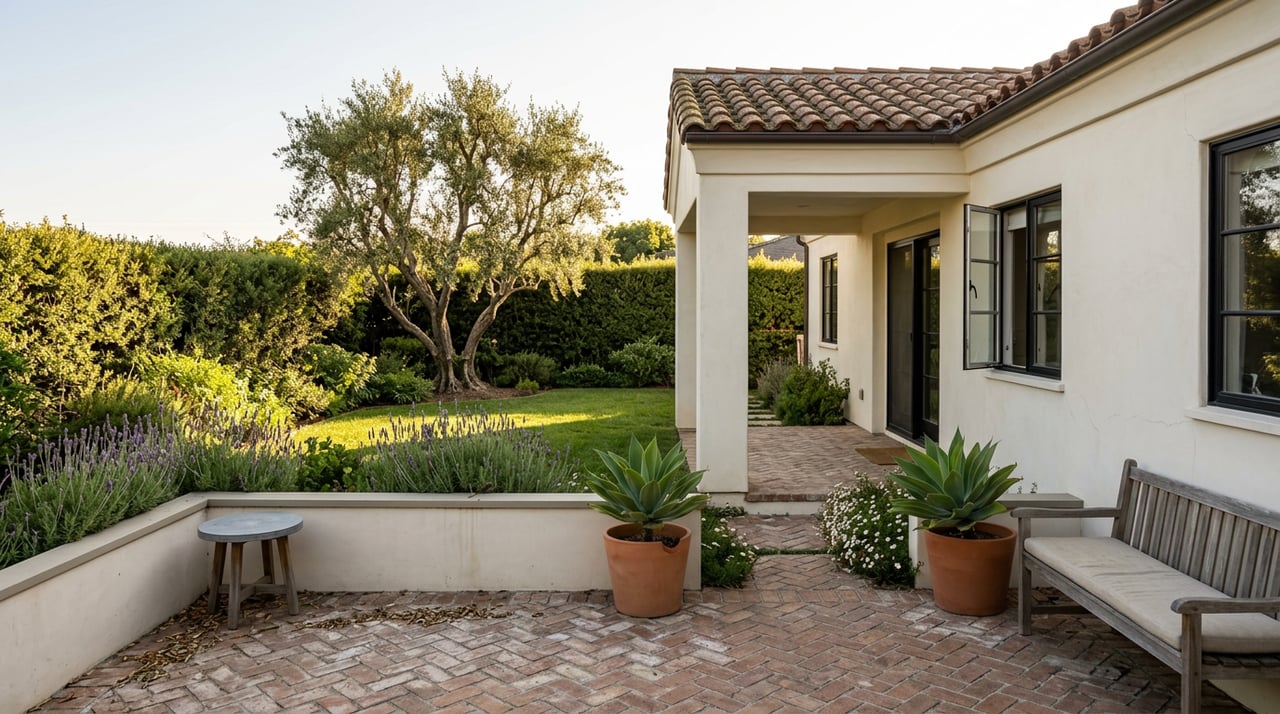
If you are drawn to established streetscapes and classic design, older homes may offer the strongest fit. Menlo Park’s tree-lined setting is part of that appeal, and many buyers value the sense of continuity that comes with long-established residential blocks.
An older home can give you room to shape the property over time. If your goal is to update finishes, improve efficiency, or add functionality, an older home may offer more flexibility than a new one that already comes finished at a premium price.
Menlo Park’s housing resources note that ADUs and JADUs can provide needed housing without materially changing a neighborhood’s visual character. The city’s existing-dwelling electrification guidance also allows items like heat pump water heaters, EV chargers, and other electric equipment in garages, carports, and some setback areas. That can make an older home a strong long-term project for buyers who want to modernize thoughtfully.
The tradeoff is that customization rarely happens instantly. Older homes may require plan review, contractor coordination, code compliance, and possible utility or electrical upgrades.
That is why the list price alone can be misleading. A home that looks like a bargain at first glance may come with a wider gap between purchase price and true all-in cost once repairs, permits, and construction are factored in.
Here is the simplest way to think about the decision in Menlo Park:
| Factor | New Construction | Older Homes |
|---|---|---|
| Availability | Limited citywide | Much more common |
| Move-in readiness | Often stronger | Varies by condition |
| Energy efficiency | More likely to reflect current code | May need upgrades |
| Architectural character | Usually more contemporary or newly rebuilt | Often stronger character and variety |
| Near-term maintenance | Often lower at the start | Can be higher depending on systems |
| Ability to personalize | Less immediate need, but often already priced in | Often more opportunity over time |
| Permit considerations | Important for verification and final sign-offs | Important for updates, additions, and electrification |
In short, newer homes often offer more certainty now. Older homes often offer more room to create value later.
Menlo Park is a very competitive market. Redfin reports that 55.8% of homes sold above list in the last three months ending May 2026, and hot homes can sell about 7% above list price.
That changes how you should compare options. A newer or fully renovated home may attract stronger bidding because it reduces near-term work, while an older home with visible project needs may appear less expensive up front but require more investment after closing.
This is where your personal comfort level matters. If you want a smoother move-in and fewer immediate decisions, paying more for a newer or extensively updated home may feel worthwhile.
If you are comfortable managing improvements over time, an older home may give you more control over the final result. The key is to compare not just the purchase price, but also the likely timeline, renovation scope, and carrying costs.
Before you write an offer in Menlo Park, it helps to review the same core details on every property. That creates a cleaner comparison between homes that may look very different on the surface.
Focus on these points:
These steps can help you avoid comparing a polished list price on one home to an unfinished total cost on another.
A newer home may be the better fit if you want:
This option often works well for buyers who want predictability and want to spend more time enjoying the home than managing projects.
An older home may be the better fit if you want:
This path can make sense if you are willing to trade convenience today for the ability to shape the home more personally later.
In Menlo Park, the choice between new construction and an older home usually comes down to one core question: do you want to pay for certainty now or customization later? In a fast-moving market, both can be smart choices when they align with your budget, timeline, and tolerance for future work. If you want help comparing specific homes in Menlo Park and building a strategy around your goals, connect with Caitlin Beanan.

Looking to buy, sell, or just have a question? I'm always available to help and would love to work with you. Contact me today to find out how we can be of assistance to you!